

A Recipe for Delivering Better Health Outcomes: How Food-is-Health Programs Transform Lives, Improve Care, and Boost Communities
BY LAUREN M. DRISCOLL & PATRICK J. KENNEDY
Type 2 diabetes (T2D) looms large in the American healthcare landscape. Around 38 million people – almost 12% of the U.S. population – live with the disease, and it accounts for roughly one quarter of national healthcare spending. And yet, we know that T2D is preventable, even reversible – most cases can be traced to poor diet, and those at risk of food insecurity are 2-3x more likely to have T2D. Millions could avoid or manage T2D by changing what they eat rather than relying exclusively on medications and procedures. For policymakers, clinicians, and healthcare leaders, this presents a major opportunity to improve outcomes while controlling costs.
And we know that dietary factors drive far more than diabetes. Poor nutrition contributes to heart disease, chronic kidney disease, obesity and mental-health disorders, and it undermines wellbeing in communities across the country. Traditional interventions rarely put food at the center of care, and those that do often limit support to short-term meal delivery or produce vouchers. Diet-focused health interventions, or “Food-is-Health” programs, offer a more ambitious solution for payers and providers. They combine medically tailored food with ongoing education, coaching, and social support so that participants can adopt and sustain healthier habits. By meeting patients where they are and addressing both physical and behavioral health, these programs improve outcomes and reduce costs. Importantly, they can be integrated into population-health strategies, disease management, and quality-improvement initiatives.
Nutrition as the foundation of care
At NourishedRx, we have seen what happens when nutrition is treated as a root cause rather than an afterthought. Across multiple implementations, our programs achieve completion rates above 90%. Participants reduce their hemoglobin A1c by about 1.5 points within four months – a change that translates into lower risk of microvascular and macrovascular complications – and report significant weight loss. Many experience improvements in blood pressure and lipid profiles, and preliminary analysis suggests a 25% reduction in medical costs. These gains derive from an integrated approach: Participants receive meals and groceries suited to their medical needs and cultural preferences, regular coaching from dietitians and wellness associates, and help navigating barriers to healthy eating. They build skills and confidence that last well beyond the program’s end. Local farmers and food producers benefit too from an expanded market for nutritious food.
Nutrition interventions also support mental and behavioral health, an area often overlooked in chronic-disease management. Illness and food insecurity can lead to stress, anxiety, and social isolation, which in turn make it harder to change habits. By pairing food support with regular contact from empathetic professionals, Food-is-Health programs help participants reduce stress, connect with others and believe in their ability to improve. In our programs, most participants report better physical and mental quality of life and greater confidence in managing their health. These psychosocial benefits are a key reason nutritional interventions can produce sustained behavior change, and they complement traditional mental health services.
A pilot in Marion County
A 2022 pilot in Marion County, Indiana, shows the potential impact of this approach. A large integrated delivery network (IDN) faced high diabetes prevalence and cost among both Medicare and commercially insured members, many of whom were food-insecure. The IDN partnered with NourishedRx to provide nutrition-focused support to members with uncontrolled diabetes and limited access to healthy food.
Participants filled out surveys about their food preferences and health goals, received two weeks of prepared meals and then twelve weeks of grocery deliveries. They met weekly with registered dietitians and health coaches who provided diabetes self-management education, cooking guidance, and shopping tips. The aim was not only to improve diet in the short term but also to build lasting skills and self-efficacy, consistent with national standards for chronic-care management.
The results were striking. All enrolled participants completed the program. On average, they reduced their HbA1c by more than one percentage point during the 14-week intervention and continued to see further improvements over the following year. Many lowered blood pressure and cholesterol and reported more energy, better mental clarity and weight loss. Validated assessment tools showed that most participants felt physically and mentally better and more secure about their access to nutritious food. For care managers and utilization-management teams, the program also delivered financial value: a modest per-person investment yielded significant projected savings by reducing emergency room visits, hospitalizations, and complications.
Those gains were quantifiable. The average 1.29-point drop in HbA1c during the program grew to a 2.11-point reduction at the post one-year mark. Participants’ blood pressure decreased by about 4%, total cholesterol by 6%, low-density lipoprotein cholesterol by 4% and triglycerides by 10%. Seventy-nine percent of participants reported improved physical quality of life and 64% reported better mental quality of life. More than seven in ten felt more secure about their ability to access healthy food, and nearly two-thirds said their confidence in managing their condition had increased. The economic return was equally noteworthy: For an average cost of $1,279 per participant, the intervention yielded an estimated 5.1 quality-adjusted life years and a projected $253,821 in lifetime healthcare savings. By investing in food and education up front, the program avoided far higher downstream costs associated with complications and crisis care.
Building a scalable model
The Marion County pilot underscores the importance of an integrated platform rather than a provision of meals or produce alone. Our model customizes meals and groceries to individuals’ medical conditions and cultural backgrounds, provides regular coaching and educational support, uses data to coordinate with clinicians and health plans, and builds partnerships with local farms and food banks. This combination makes healthy eating practical and appealing, ensures timely support, and allows interventions to be adjusted based on real-time feedback.
Such a platform is replicable across geographies and conditions. Clinicians can prescribe Food-is-Health interventions for patients with diabetes, hypertension, or kidney disease. Health insurers can cover them as part of chronic-disease management, recognizing the downstream savings. Community organizations and governments can use them to address food insecurity and health disparities simultaneously. The essential shift is to treat food as part of healthcare, not food assistance.
The road ahead
The Marion County pilot makes clear that well-designed Food-is-Health programs can produce transformative results for individuals, health systems and communities. By meeting people where they are, addressing root causes and supporting behavior change, these interventions offer an effective alternative to late-stage treatment and expensive medications. Moreover, diabetes is only the tip of the spear: The same approach can be and is being tailored to other diet-responsive conditions and co-occurring mental-health challenges.
Momentum is building. Policy initiatives and advocacy movements are calling for broader coverage of food-as-medicine. The Make America Healthy Again (MAHA) movement, for example, has raised public awareness about the role of nutrition in preventing and reversing chronic disease and is generating tailwinds that promise to support expansion of food-as-health programs across the country. Healthcare providers are experimenting with culinary medicine curricula and community partnerships. Yet too many initiatives remain small and short-term. To realize the full potential of Food-is-Health, stakeholders must invest in sustainable programs that integrate nutrition, education, community and data, and they must collaborate across sectors and support local food systems.
Food-is-Health programs are not just about feeding people; they are about empowering individuals and communities to thrive. They show that better health outcomes start with what we put on our plates and with the support we provide to help people make lasting changes. By scaling what works, we can transform lives, improve care and build stronger, more resilient communities.
 Lauren Driscoll MPH
Founder & CEO, NourishedRx
Lauren founded NourishedRx to support health plans and at-risk providers’ efforts to address the most actionable and critical non-clinical needs of their members and patients – nutrition and loneliness.
Prior to NourishedRx, Lauren was a senior leader in the Strategy practice at Leavitt Partners, a “Health Intelligence” firm founded by former Secretary of Health and Human Services, Michael Leavitt. Lauren also served as corporate director of Oxford Health Plans, where she led Oxford’s Medicare business.
Lauren is co-chair of the United States of Care, Entrepreneurs Council. Lauren is also a board member at Village Health Works, a healthcare organization that addresses the root causes of illness, poverty and neglect in Burundi, Africa. She has served as the acting executive director of Village Health Works, as well as the chair of the Kigutu Hospital Development Committee. She was faculty at Singularity University’s Exponential Medicine 2016 conference – addressing the potential of technology to democratize healthcare in the developing world.
Lauren grew up in Baltimore, Maryland. She received her BA from the University of Virginia and her Master’s in Public Health from the Mailman School of Public Health, Columbia University.
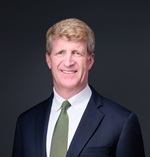 Patrick J. Kennedy
Former U.S. Representative
During his time in Congress, Patrick J. Kennedy was the lead author of the landmark Mental Health Parity and Addiction Equity Act (Federal Parity Law), which requires insurers to cover treatment for mental health and substance use disorders no more restrictively than treatment for illnesses of the body. Patrick works tirelessly to unite advocates, business leaders, and government agencies to advance evidence-based practices and policies in mental health and addiction. In 2023, he launched the Alignment for Progress, a movement to align leaders to transform our mental health and addiction systems and called for 90/90/90 by 2033: 90% of all individuals will be screened for mental health and substance use disorders; 90% of those who need care will be able to receive evidence-based treatment; 90% of those receiving treatment will be able to manage their symptoms in recovery.
Kennedy is also the co-founder of One Mind, an organization that pushes for greater global investment in brain research and co-founder of Psych Hub, the most comprehensive online learning platform on mental health, substance use, and suicide prevention topics in the world. In 2024, as a further evolution of his mental health and addiction advocacy Patrick joined the nationally recognized Washington DC healthcare policy consulting firm focused on federal and state regulatory and legislative policy, Healthsperien.
Image credit: Credit: ISTOCK.COM/UDRA