
What’s the Goal? Improving Transitions of Care Through Collaborations Between Case Managers and the Palliative Care Team
BY GRETA SHEALY, MSN, RN, ACM-RN CCM, AND LEVI D. HANNAH, MS, APRN, FNP-C
The Essential Role of Case Managers and Palliative Care in Enhancing Patient Care Transitions
In healthcare systems worldwide, case managers (CMs) and palliative care practitioners play a vital role in ensuring patients with chronic and terminal illnesses receive comprehensive, compassionate care. These professionals work closely within interdisciplinary teams to streamline patient care transitions, reduce costs, and improve outcomes. To foster interdisciplinary collaboration, the Joint Commission mandates the development of interdisciplinary care plans for all hospitalized patients (Leykum et al., 2023). By advocating for patients, addressing their medical, emotional, and social needs, and ensuring that their care aligns with their values, case managers and palliative care providers are transforming how care is planned and delivered in the face of serious illness. This article examines the essential role of case managers and palliative care practitioners in improving patient care transitions as part of interdisciplinary teams, and how the Quadruple Aim framework guides these efforts.
Understanding the Role of Case Managers
Case management is an integral component of healthcare, particularly in situations involving chronic or terminal illness. Case managers act as patient advocates, ensuring that the patient’s needs are prioritized amid a complex and often fragmented healthcare system. By coordinating care across multiple disciplines, CMs help patients navigate the complexities of their health conditions, ensuring they receive the right care at the right time. As an independent and cross-disciplinary specialty field of practice (CCMC, 2018) their responsibilities extend beyond simply managing medical care, as they also address the social determinants of health (SDOH), such as economic stability, community resources, and
caregiver support. This comprehensive approach ensures patients’ medical, psychological, and social needs are met, which in turn improves clinical outcomes and enhances patient satisfaction.
CMs play a crucial role in helping patients achieve their healthcare goals while minimizing barriers to care, such as financial challenges or inadequate support systems. Their ability to navigate and coordinate across various care settings is pivotal to successful transitions between care levels, including hospital to home or hospice settings. This is particularly important in end-of-life care, where patients often face complicated decisions about treatment and care options.
The Role of Palliative Care
Palliative care is a specialized form of care that focuses on alleviating the symptoms, pain, and stress of serious illness, irrespective of the patient’s stage of the disease. Unlike hospice care, which is typically provided to patients nearing the end of life, palliative care can be provided alongside curative treatments and is appropriate at any stage of a serious illness. Palliative care practitioners prioritize improving the quality of life for patients by addressing their physical, psychological, spiritual, and social needs.
Palliative care entails a methodical approach aimed at recognizing patients with significant supportive care requirements and promptly directing them to specialized care (Hui, Hueng & Bruera, 2022). Incorporating palliative care into the broader healthcare team can greatly enhance patient outcomes, as it ensures that the care provided aligns with the patient’s values and preferences. Palliative care practitioners are skilled communicators, often serving as a bridge between patients, families, and healthcare providers, helping to guide families through difficult decisions regarding treatment options, end-of-life care, and other complex healthcare choices. Palliative care can be provided in multiple settings, including the patient’s home, or using telecommunication for
consultations. This approach helps ensure that patients’ goals and wishes are respected, which is fundamental to providing patient-centered, compassionate care.
The Interdisciplinary Team (IDT) in Patient Care
A key aspect of effective healthcare, particularly for patients with chronic or terminal conditions, is the interdisciplinary team (IDT). The IDT consists of a group of healthcare professionals from various fields—including physicians, nurses, social workers, dieticians, chaplains, physical therapists, and case managers—who collaborate to provide holistic, coordinated care. This team approach ensures that patients receive care that addresses all aspects of their health and well-being, including their medical, psychological, and social needs.
Case managers and palliative care practitioners are integral members of the IDT. Case managers help facilitate communication among team members and ensure that patient care plans are aligned with the patient’s goals and resources. They also advocate for the patient, addressing gaps in care and ensuring that resources are allocated effectively. Palliative care providers, with their focus on symptom management and emotional and spiritual support, complement the efforts of case managers by ensuring that the care provided is compassionate and respectful of the patient’s wishes.
Contributions of Case Managers and Palliative Care Practitioners to Interdisciplinary Teams
Effective collaboration between case managers and palliative care practitioners significantly improves patient outcomes, particularly when dealing with serious illnesses. Case managers bring expertise in care coordination, resource management, and patient advocacy. They assess patient needs, identify potential barriers to care, and help navigate the complexities of healthcare systems. By facilitating smooth care transitions, they ensure that patients are supported throughout their healthcare journey, whether in the hospital, a nursing facility, or at home.
Palliative care practitioners, on the other hand, are experts in symptom management and advanced care planning. Their holistic approach addresses not only the physical aspects of care but also the emotional and spiritual well-being of patients and families. By ensuring that the care aligns with the patient’s values, palliative care practitioners support patients in making informed decisions about their treatment options. Both case managers and palliative care practitioners share the goal of improving patient outcomes by providing patient-centered care that prioritizes the patient’s needs and preferences.
Improving Outcomes Through Collaboration
The collaboration between case managers and palliative care practitioners helps improve patient outcomes by enhancing care coordination and ensuring that care is delivered in the most appropriate setting (Chen et al., 2024; Ernecoff et al., 2019). By working together, they can assess patient needs, set realistic care goals, and ensure that the necessary resources are available.
The integration of palliative care early in the course of a serious illness has been shown to improve quality of life and reduce unnecessary interventions, such as hospital readmissions and invasive procedures. Studies have shown that early palliative care consultations result in better patient satisfaction, reduced hospital readmissions, and fewer aggressive interventions (Elina et al., 2024; O’Connor et al., 2015). By addressing patient goals and preferences early on, case managers and palliative care providers help patients and families make more informed decisions, ultimately improving the overall healthcare experience.
Managing Resources and Costs: The Quadruple Aim
The Quadruple Aim framework—improving population health, enhancing the patient experience, reducing costs, and improving the provider experience—guides the work of case managers
and palliative care teams (Noonan, 2022). By focusing on these four goals, they help ensure that care is not only effective but also cost-efficient and patient-centered.
Improving Population Health
Case managers and palliative care providers are adept at addressing the social determinants of health (SDOH), which can have a significant impact on health outcomes. By assessing these factors, they can tailor care plans to meet the unique needs of each patient, ensuring that care is both effective and equitable.
Enhancing the Patient Experience
The patient experience is at the core of both case management and palliative care. By promoting open communication, involving patients in decision-making, and ensuring care aligns with patient preferences, both case managers and palliative care providers improve the quality of care delivery. This patient-centered approach helps reduce the occurrence of unnecessary treatments and interventions.
Reducing Costs
Effective collaboration between case managers and palliative care providers helps reduce healthcare costs by ensuring that care is appropriate and timely. By avoiding unnecessary hospitalizations, reducing the use of invasive procedures, and promoting home-based care when appropriate, these professionals help reduce readmission rates and the financial burden on the healthcare system (Mir et al., 2021; O’Connor et al., 2015).
Improving the Workforce Experience
The emotional and logistical challenges of caring for patients with serious illnesses can lead to
compassion fatigue and burnout among healthcare providers (Cross, 2019). Case managers and palliative care practitioners support each other through peer collaboration, sharing the emotional load and ensuring that providers have the resources and support they need to deliver compassionate care.
The Ethics of Care Transitions
Care transitions, particularly when dealing with serious illness, can present significant ethical challenges. Families often face difficult decisions regarding the level of care needed and whether to pursue aggressive treatments or opt for palliative interventions. Case managers play a crucial role in guiding these discussions by ensuring that families are informed about their options and helping them navigate the complexities of advanced care planning.
Advanced directives are an essential tool in ethical care transitions, as they outline a patient’s preferences for care if they are unable to make decisions for themselves. Case managers and palliative care providers work together to ensure that patients and families understand these directives and are supported in making decisions that align with the patient’s values and goals.
Case Study
Mr. Hill is a 64-year-old male who went to his local rural emergency department due to uncontrolled pain. He has a diagnosis of metastatic lung cancer. One tumor has spread to his shoulder and neck area, causing difficulty swallowing, right upper extremity weakness/paralysis, and chest pain. He was transferred to our area hospital for inpatient care. I was tasked with performing his case management admission assessment on the morning of his admission.
Demographics/history:
- Male, 64, separated for one year but not divorced
- Has five children, two are minors in the home
- Lives in a mobile home on his in-laws property that he rents from them
- Was independent with activities of daily living (ADLs) and Instrumental ADLs (IADLs), including driving daily, until a few days ago
Resources
- Has VA benefits only, no Medicare
- Has VA disability pension and social security
- Family assists with his sons
- Little contact with two adult sons, limited contact with adult daughter
- No current services at home
- Per the oncologist, they are unable to further treat his cancer or to assist with palliative care/hospice needs, and suggested he go to the local emergency department for pain control needs.
- Admitted some difficulty obtaining food and paying for his sons’ needs, but states his family makes sure they do not go hungry.
Social History
- Widowed, now separated from current wife and wants no contact with her due to history of abuse of himself and their sons
- Lives with, and has sole custody of, his two teenage sons (14 and 17)
- Has three adult children from first marriage that all live out of state.
- Disabled veteran
- SDOH concerns: safety (history of spousal abuse by ex-wife), financial strain
Medical History
- Metastatic non-small cell lung cancer, status post chemo/radiation, with recurrence
- Multiple emboli on ultrasound made him a “ticking timebomb”
- Frailty
- Nutritional deficits due to difficulty swallowing
- RUE paralysis due to tumor intrusion into muscles/joint area
- BLE dependent edema
- Some difficulty breathing, occasional cough
Case Management Problem List
- Loneliness/isolation (patient was transported to our hospital, approximately 30 minutes from his home, in the middle of the night and his sons were unable to visit)
- Confusion about place/situation noted on chart, bringing patient’s ability to consent into question (thought he was taken to a hospice facility)
- Multiple thoracic emboli, end of oncology treatment plan, and pain required discussion of goals of care
- Designation of health care agent for decisions about transitions of care
- Nutrition needs vs safety with swallowing, need/desire for intervention
- No caregiver available for home hospice care
- No advanced care planning documents despite multiple oncology appointments and chemoradiation treatments over the past year
- Patient expressed concerns about his financial situation and his sons’ care and protection from their mother
- Physical and emotional protection of patient from abusive spouse
Advocating for Comfort Care
I consulted with our Palliative Care Nurse Practitioner to define goals and develop a care plan for Mr. Hill. Upon discussing his goals, Mr. Hill expressed surprise, believing he was transferred to our hospital to receive hospice care. We clarified his current condition, which included progressive metastatic disease and brachial plexus destruction. Oncology had recommended hospice care, and we explained the implications of this, including his symptoms and need for nursing care. Mr. Hill expressed a desire to pursue routine home hospice level of care, but requested communication with his daughter, a nurse, to ensure his decisions aligned with their prior discussions.
We addressed barriers to his hospice care, including the lack of home support, financial restrictions, and a lack of local facilities capable of providing the necessary level of care within the VA network. This led to searching for a VA-affiliated inpatient hospice facility. Ongoing coordination between the VA case managers, palliative care practitioner, and hospital case management teams was required to secure placement.
For ethical, cost-effective, patient-centered care, the Palliative Care NP communicated with the patient and family. Mr. Hill designated his daughter as his healthcare agent and completed DNR/DNI orders. We discussed his needs and goals with the interdisciplinary team, creating a comprehensive care plan. The hospitalist allowed Mr. Hill to remain inpatient while assessing his condition. The Palliative Care NP coordinated communication with the family, ensuring they understood his prognosis and provided comfort care. The dietician and speech and language therapist ensured appropriate nutrition, and we provided options for hospice care. Mr. Hill and his family chose the VA hospital hospice unit for end-of-life care. He was transferred there when a bed became available four days later, remaining on comfort care until then.
Conclusion
Case management is a collaborative practice encompassing patients with sometimes complex needs who are transitioning through multiple settings. We do not stand alone – providing compassionate, patient-centered care is best done in synchronization with other experts and disciplines.
Empathetic leadership, cultural humility, technology-assisted communication, and ethical decision making are essential in today’s healthcare and home settings (Prince, 2021). Collaboration between case managers and palliative care practitioners fosters a patient-centered approach that prioritizes patient goals and enhances outcomes in planning interdisciplinary care. By managing care expectations effectively for both patients and colleagues, we ensure that our patients receive compassionate, cost effective care that aligns with the standards of our accountable care organizations, while also focusing on improving quality of life for patients and their support systems as they transition through health care levels and settings.
References
Chen, L., Sleeman, K. E., Bradshaw, A., Sakharang, W., Mo, Y., & Ellis-Smith, C. (2024). The Use of Person Centered Outcome Measures to Support Integrated Palliative Care for Older People: A Systematic review. Journal of the American Medical Directors Association, 25(8), 105036. https://doi.org/10.1016/j.jamda.2024.105036
Commission for Case Manager Certification (CCMC). (2018). Introduction to the Case Management Body of Knowledge | CCMC’s Case Management Body of Knowledge (CMBOK).
https://cmbodyofknowledge.com/content/introduction-case-management-body-knowledge Cross, L. A. (2019). Compassion Fatigue in Palliative Care Nursing. Journal of Hospice & Palliative Nursing, 21(1), 21–28. https://doi.org/10.1097/njh.0000000000000477
Elina, H., Sofia, E., Tricia, C. S., Jaana-Maija, K., Katariina, K., & Anu, S.-J. (2024). Patients Receiving Palliative Care and Their Experiences of Encounters With Healthcare Professionals. OMEGA – Journal of Death and Dying, 89(2), 497-513. https://doi.org/10.1177/00302228221077486
Ernecoff, N. C., Wessell, K. L., Hanson, L. C., Dusetzina, S. B., Shea, C. M., Weinberger, M., & Bennett, A. V. (2019). Elements of Palliative Care in the Last 6 Months of Life: Frequency, Predictors, and Timing. Journal of General Internal Medicine, 35(3), 753–761. https://doi.org/10.1007/s11606- 019-05349-0
Leykum, L. K., Noël, P. H., Penney, L. S., Mader, M., Lanham, H. J., Finley, E. P., & Pugh, J. A. (2023). Interdisciplinary Team Meetings in Practice: An Observational Study of IDTs, Sensemaking Around Care Transitions, and Readmission Rates. Journal of General Internal Medicine, 38(2), 324–331. https://doi.org/10.1007/s11606-022-07744-6
Mir, W. A. Y., Siddiqui, A. H., Paul, V., Habib, S., Reddy, S., Gaire, S., & Shrestha, D. B. (2021). Palliative Care and Chronic Obstructive Pulmonary Disease (COPD) Readmissions: A Narrative Review. Cureus, 13(8). https://doi.org/10.7759/cureus.16987
Noonan, P. (2022, September 12). Professional Case Managers as Exemplars Using the Quadruple Aim as a Measurement Framework for Quality Care. Case Management Society of America. https://cmsatoday.com/2022/09/12/professional-case-managers-as-exemplars-using-the quadruple-aim-as-a-measurement-framework-for-quality-care/
O’Connor, N. R., Moyer, M. E., Behta, M., & Casarett, D. J. (2015). The Impact of Inpatient Palliative Care Consultations on 30-Day Hospital Readmissions. Journal of Palliative Medicine, 18(11), 956–961. https://doi.org/10.1089/jpm.2015.0138
Prince, M. (2021, November 22). The Time Is Now. Case Management Society of America. https://cmsatoday.com/2021/11/22/the-time-is-now/
Author’s note: The prompt “Improve this paragraph” was used with ChatGPT during the editing process.
 Greta Shealy, MSN, RN, ACM-RN, CCM. Greta Shealy’s 39-year RN career includes experience in Women’s and Infant health, Faith Community Nursing, psychiatric home health, and hospital and home case management. She was her mother’s fulltime caregiver for several years and is passionate about the right to live and die with dignity. Greta enjoys reading, playing with her grandchildren, and camping with her husband of 40 years.
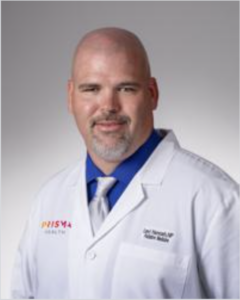 Levi Hannah, MS, APRN, FNP-C, is a family nurse practitioner with special interests in palliative medicine. He sees patients with chronic, serious medical conditions. He strives to educate patients about their medical conditions and enjoys working closely with them to tailor a treatment plan to best fit their needs and improve their quality of life. In his free time, he enjoys outdoor activities and spending time with family.