
Behind the Claim: How Worker’s Compensation Case Managers Turn Barriers Into Comebacks
BY , MSN, MS, RN, CCM, FCM, RIT AND , BSN, RN, CCM, CPC
Behind every worker’s compensation claim is a human story, one that often begins with uncertainty, pain, and disruption. For the injured worker, the experience can be overwhelming. There are medical decisions to navigate, employment concerns to address, and emotional and financial stressors to overcome. During all these challenges stands the case manager, uniquely positioned to turn what may feel like an ending into a new beginning.
Workers’ compensation case management requires far more than monitoring recovery timelines or coordinating services. It is the art and science of navigating complex systems while keeping the injured worker at the center of every decision. Case managers balance the demands of regulatory compliance, cost containment, and employer expectations with compassionate care and ethical responsibility to the injured worker. The greatest successes in workers’ compensation are not achieved through expediency, but through advocacy, collaboration, and thoughtful leadership.
This article explores how professional case managers transform barriers into recovery opportunities. By examining ethical challenges, psychosocial considerations, and best practices in interdisciplinary collaboration, the narrative can be shifted from “closing a claim” to “supporting a comeback.” When guided by purpose and aligned with case management standards of practice, barriers become steppingstones, not roadblocks, on the path to restoring health, function, and hope.
Workers’ compensation case managers are often positioned at the intersection of obligation and opportunity. They must navigate employer priorities, cost containment pressures, regulatory requirements, and clinical realities while supporting injured workers who are managing physical limitations, emotional distress, or fear of job loss. The complexity of the role is heightened by the dual nature of accountability. Case managers must advocate for the individual injured worker while simultaneously facilitating safe and timely return-to-work outcomes that support business continuity and financial stewardship.
Ethical practice becomes the compass in this dual role. According to the CMSA Standards of Practice and the CCMC Code of Professional Conduct, case managers are ethically bound to promote patient-centered care, maintain autonomy, foster collaboration, and base decision-making on evidence and clinical necessity. There are not solely financial drivers. Yet in workers’ compensation, the pressure to expedite return to work or minimize treatment costs can unintentionally overshadow the injured worker’s needs and readiness. This makes ethical reflection essential.
Successful case managers continually assess both visible and invisible barriers to recovery. Healing progress may be measurable, but psychosocial and environmental influences often determine whether an injured worker returns to function. Factors such as chronic pain, anxiety, cultural values, inadequate support systems, health literacy, or financial strain can significantly impact recovery trajectory. Ignoring these barriers may expedite closure of the claim; addressing them may extend the timeline but significantly improve the outcome.
Barriers, however, are not obstacles but signals. They highlight where the case manager’s influence is most needed. When approached strategically, each barrier becomes an opportunity to shift the trajectory of the case from resistance to progress, from delay to empowerment. That transformation often begins when case managers pause long enough to ask not only “What is needed to close this claim?” but “What is needed to open the door to long-term recovery?”
Ethical decision-making in workers’ compensation case management is often less about choosing between right and wrong and more about selecting the most justifiable course of action among competing priorities. Case managers must analyze each decision through multiple lenses: clinical appropriateness, financial impact, legal requirements, functional recovery, workplace readiness, and most importantly, the injured worker’s unique circumstances. This is where ethics transform from a theoretical concept into a practical roadmap.
The CCMC Code of Professional Conduct and the CMSA Standards of Practice outline ethical principles such as autonomy, beneficence, nonmaleficence, and justice. In daily practice, these principles are applied not in isolation but in concert. A clinically appropriate decision may be costly. A cost-saving measure may delay recovery. A compliance-driven action may unintentionally reduce injured worker engagement. The role of the case manager is to evaluate each option without losing sight of the human impact.
Effective ethical collaboration begins with early, multi-directional communication. Proactively engaging the employer, treating provider, and injured workers before conflict arises helps establish shared expectations and reduces adversarial dynamics later in the claim. Early discussions around a common objective, such as safe and sustainable recovery, create alignment and trust among stakeholders. The use of neutral, recovery-centered language further supports ethical collaboration. Rather than emphasizing restriction, delay, or cost, case managers can reframe discussions around readiness, functional capability, safety, progress, and recovery.
Incorporating motivational interviewing techniques allows case managers to explore concerns, ambivalence, and readiness for change without imposing directives. Open-ended questions that invite reflection help injured workers identify barriers and needed support, strengthening engagement and promoting shared decision-making.
Collaboration with employers is most effective when solutions are presented instead of barriers. Identifying modified or transitional duties aligned with current functional capacity allows injured workers and employers to remain engaged while supporting recovery. Offering options demonstrates problem-solving and shared accountability for successful return-to-work outcomes. Ethical, effective collaboration is grounded in early, purposeful communication. Consistent with the CMSA Standards of Practice, professional case managers proactively engage the injured worker, employer, and treating providers early in the claim to establish shared goals and reduce adversarial dynamics. Discussion should be directed toward readiness, function, and progress rather than barriers, restrictions, and delayed return to work. Employer collaboration is most effective when solutions are offered instead of obstacles. Identifying transitional or modified duties consistent with functional capacity emphasize problem-solving, advocacy, and safe return-to-work planning.
A structured ethical decision-making model supports clarity, confidence in complex circumstances, and helps workers’ compensation case managers move from uncertainty to a clear, defensible plan. Start by identifying the dilemma and naming the conflict that exists between clinical needs, regulatory requirements, cost objectives, and the injured worker’s preferences. Next, gather the relevant facts by reviewing the medical record and current clinical evidence, assessing psychosocial and workplace barriers, clarifying functional capacity and job demands, and confirming provider recommendations.
With the facts in hand, consult the standards, policies, and ethical guidelines that anchor professional practice, including the CMSA Standards of Practice, applicable workers’ compensation rules, employer and payer policies, and evidence-based guidance. Then evaluate stakeholder perspectives by considering the injured worker’s safety and recovery goals alongside the employer’s operational needs, the payer’s coverage requirements, the provider’s clinical rationale, and any system-level constraints.
After that, analyze potential outcomes by weighing the short- and long-term consequences of each option, identifying who benefits, who may be placed at risk, and what unintended harms could occur. Document the decision process in a transparent, objective manner so the rationale is clear if the case is reviewed during an audit, dispute, or litigation.
Finally, implement the decision and monitor its impact by staying engaged with the team, reassessing progress, and adjusting the plan when new information emerges. Recognize that ethical decision-making in workers’ compensation is dynamic and requires ongoing reflections.
When applied, this model does more than solve problems. It empowers case managers to defend their decisions with clarity and compassion. It also demonstrates professional accountability and safeguards integrity within a system that often prioritizes efficiency over equity. When executed well, ethical decision-making is not a barrier to cost management. It enhances clinical outcomes, improves satisfaction, and supports long-term claim sustainability. It is the difference between managing a case and guiding a recovery.
Ethical decision-making is only effective when accompanied by clear, collaborative communication. In workers’ compensation, case managers serve as the central nexus between the injured worker, employer, providers, payer, and, when applicable, rehabilitation and legal resources. How information is communicated often determines whether a decision is received with resistance or embraced as a collective solution.
Collaboration supports ethical practice by ensuring that each stakeholder’s priorities are acknowledged while maintaining focus on the injured worker’s recovery trajectory. Proactive communication helps prevent delays, reduce conflict, and foster transparency. The most successful case managers not only understand clinical needs, cost drivers, and compliance regulations but they know how to communicate them in ways that maintain trust and facilitate progress.
Ethical, person-centered workers’ compensation case management is not only clinically sound. It is economically strategic. While some may perceive that taking additional time to address psychosocial concerns or delaying return-to-work to ensure readiness adds cost, research and outcomes consistently demonstrate the opposite. Ethical decisions that prioritize sustainable recovery often shorten the overall duration of claims, reduce recurrence, increase engagement, and prevent long-term disability.
Early and targeted intervention that considers both medical and nonclinical barriers supports a stronger, more resilient return-to-function. When case management extends beyond compliance and integrates advocacy, objective communication, and ethical reasoning, the results are tangible and measurable.
STRATEGIES FOR TURNING BARRIERS INTO COMEBACKS:
- Lead with advocacy, not authority
- Focus first on the injured worker’s goals, fears, and capabilities
- Treat the worker as a person, not a claim. Healing begins when dignity is restored
- Use ethical decision-making to balance cost, compassion, and compliance. It protects outcomes and professional accountability
- Document the why, not just the what. Clear rationale defends clinical judgment and demonstrates advocacy
- Address psychosocial barriers early. Unresolved emotional factors often cost more than clinical delays
- Build partnerships, not pushbacks. Recovery accelerates when stakeholders align around purpose
- A comeback is more sustainable than a quick closure. Invest in long-term success over short-term savings
- Help the worker envision return-to-purpose, not just return-to-work
“The greatest return on investment in workers’ compensation is a human one. It’s when a person regains not only function, but confidence and purpose.”—Janet Coulter
“The true measure of success in workers’ compensation is not how quickly a case is closed, but how well a life is rebuilt.”—Maryann Ott.
SUMMARY
The true impact of case management on workers’ compensation is measured not by how quickly a file is closed, but by how confidently a life is reopened. Behind every claim lies an opportunity to restore dignity, independence, and hope. By balancing cost, compassion, and compliance, case managers become catalysts for transformation and changing the outcome. As case managers we can help ensure that every injured worker can move beyond adversity and toward a meaningful return not just to work, but to their life. The most meaningful victory is not the closing of a claim. It is the reopening of possibility. When case managers lead with ethical clarity and person-centered purpose, they transform setbacks into comebacks and help individuals step confidently toward recovery and resilience. That is case management at its best.
CASE STUDY: FROM SETBACK TO COMEBACK
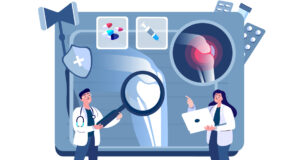
Maria, a 47-year-old warehouse supervisor, sustained a shoulder injury while lifting a heavy object at work. Initially, her prognosis was routine surgical repair and physical therapy with an anticipated return to modified duty. However, as recovery progressed, Maria became withdrawn, missed therapy appointments, and expressed fear about reinjuring herself. She later disclosed anxiety about job loss and financial stability, as well as caring for an aging parent.
Rather than pushing for a faster return-to-work to satisfy utilization targets, the case manager leaned into advocacy and holistic care planning. She coordinated a behavioral health evaluation, facilitated supportive communication with Maria’s employer, and worked with the rehab team to integrate confidence-building strategies into treatment. A modified duty plan was introduced gradually, aligned with Maria’s physical and emotional readiness.
Eight months later, Maria returned to work full-time not just physically healed, but psychologically stronger. She credited her case manager for “seeing more than the injury” and helping her rediscover purpose. What began as a standard claim evolved into a comeback story because someone took the time to look past the paperwork and focus on the person.
References
Case Management Society of America. CMSA Standards of Practice for Case Management. 2022, www.cmsa.org.
Commission for Case Manager Certification. Code of Professional Conduct for Case Managers. 2023, ccmcertification.org/about-commissiontm/code-professional-conduct.
Gragnano, Alessandra, et al. “A Systematic Search and Review of Questionnaires Measuring Individual Psychosocial Factors Predicting Return to Work After Musculoskeletal and Common Mental Disorders.” Journal of Occupational Rehabilitation, vol. 31, no. 3, Sept. 2021, pp. 491–511, doi:10.1007/s10926-020-09935-6.
Lewis, Imogen, and Jonathan Houdmont. “‘I’m Pulling Through Because of You’: Injured Workers’ Perspective of Workplace Factors Supporting Return to Work under the Saskatchewan Workers’ Compensation Board Scheme.” Frontiers in Rehabilitation Sciences, vol. 5, 2024, article 1373888, doi:10.3389/fresc.2024.1373888.
Mann, James, and Laura Grannan. “Integrating Psychosocial Considerations in Workers’ Compensation Case Management.” Professional Case Management, vol. 26, no. 2, 2021, pp. 70–76.
Staal, J. Bart, et al. “Effective Rehabilitation Strategies in Occupational Injury.” The Spine Journal, vol. 22, no. 4, 2022, pp. 575–589.
U.S. Department of Labor. Best Practices in Workers’ Compensation Case Coordination. 2023, www.dol.gov.
Workers Compensation Research Institute. Trends in Case Duration and Medical Cost Management. 2024.
 Janet Coulter, MSN, MS, RN, CCM, RIT, FCM, is the President of the Case Management Society of America (CMSA). She is a board-certified transplant case manager with extensive experience including nursing education, administration, team leadership, workers compensation, health plan management, and case management. Janet holds a Master of Science in Nursing from West Virginia University and a Master of Science in Adult Education from Marshall University.
Janet is passionate about advancing the case management profession and has served in multiple leadership roles at both the local and national levels, including five terms as president of the Southern Ohio Valley CMSA Chapter.
Her contributions to the field have been recognized with the CMSA National Award of Service Excellence and the Southern Ohio Valley CMSA Case Management Leadership Award. In 2022, she was honored as a Fellow of Case Management (FCM).
An accomplished author and presenter, Janet has contributed numerous blogs, articles, and book chapters on topics ranging from transplant case management to workers’ compensation, health equity, and professional development. She was also a contributor to CMSA’s 2025 publication, The Many Faces of Case management: A Tapestry of Blogs.
She has presented nationally at CMSA conferences and is dedicated to mentoring the next generation of case managers.
 Maryann Ott, RN, BSN, CCM, CPC, is a retired Catastrophic Nurse Case Manager from the State of Ohio, Bureau of Workers’ Compensation. MaryAnn has 45+ years of diversified nursing and case management background. She has presented several times at the Case Management Society of America (CMSA) annual and chapter conferences and is a co-editor for articles in CMSA Today. Maryann and a colleague are writing a book on Workers’ Compensation Basics for Case Managers. She served on the CMSA National Educational Committee and CMSA Today’s Editorial Board. Currently, she serves on the CMSA Finance & Audit Committee and is the Co-Chair of the CMSA Bylaws & Governance Committee. Additionally, she is a member of the CMSA International and Rural Interests groups. Maryann is the Co-founder and 3 term Past President of the Cleveland Chapter of CMSA and is currently the Chapter Treasurer and President-elect.