Are We Missing the Boat in Elderly Discharge Planning?
BY COLLEEN MORLEY, DNP, RN, CCM, CMAC, CMGT-BC, CMCN, ACM-RN, FCM, FAACM, AND SANDRA ZAWALSKI, MSN, RN, CCM, CRRN, MSCC
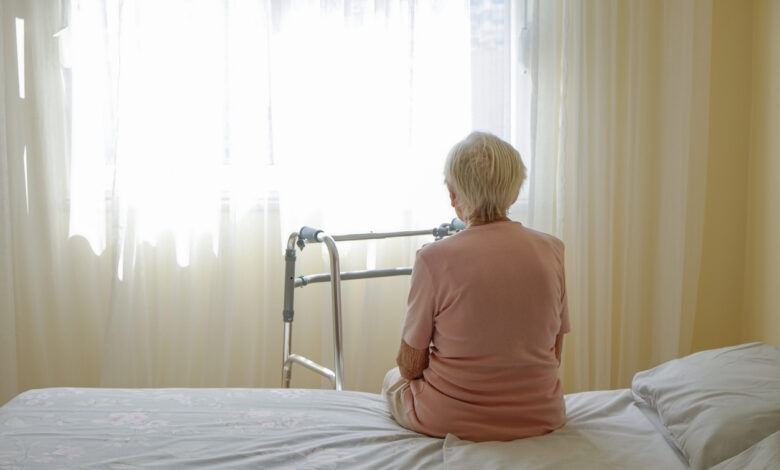
Discharge planning is a critical component of healthcare delivery, particularly for the elderly population (aged 65 years and older), who experience disproportionately high rates of hospital readmissions, adverse drug events, and functional decline following hospitalization. Older adults often present with complex medical, functional, cognitive, and social needs that complicate transitions of care. The literature consistently demonstrates that ineffective discharge planning contributes to poor health outcomes, increased healthcare utilization, and higher costs among this population (Naylor et al., 2011; Coleman et al., 2006). Case managers have consistently been taught discharge planning begins on the day of admission. Does this always occur? Not always. The realities of life, staffing, lack of caregiver response, and a multitude of other issues can derail the best of intentions.
The other question that arises is, How do we manage discharge planning into a Hospice level of care? Ironically, caregivers continue to hesitate discussing Hospice care with our senior population. Is it because they themselves are uncomfortable with this topic, or do they not know how to present it?
CHARACTERISTICS OF ELDERLY PATIENTS AFFECTING DISCHARGE PLANNING
Older adults differ significantly from younger populations in terms of discharge needs. Multimorbidity, polypharmacy, cognitive impairment, and reduced functional capacity are common and significantly influence post-discharge outcomes (Creditor, 1993; Boyd et al., 2005). Studies indicate that more than half of hospitalized older adults have difficulty performing at least one activity of daily living (ADL) at discharge, even if they were independent prior to admission (Covinsky et al., 2003). Additionally, sensory impairments, limited health literacy, and social isolation further complicate the discharge process and increase vulnerability during care transitions (Krumholz, 2013).
Discharging a patient into hospice care is a pivotal moment in the course of illness; one that reflects a shift in goals from curative treatment to comfort, dignity, and quality of life. This transition often follows careful conversations among clinicians, patients, and families about prognosis, treatment burden, and what matters most to the patient. Hospice discharge is not about “giving up” but about aligning care with the patient’s values and focusing on relief from pain, symptoms, and emotional distress.
COMPREHENSIVE GERIATRIC ASSESSMENT IN DISCHARGE PLANNING
The use of Comprehensive Geriatric Assessment (CGA) has been widely studied as a foundation for effective discharge planning in older adults. CGA is a multidimensional, interdisciplinary diagnostic process designed to evaluate medical conditions, functional status, cognition, emotional health, and social circumstances (Ellis et al., 2011). Evidence suggests that CGA-informed discharge planning improves functional outcomes, reduces institutionalization, and enhances coordination of care (Ellis et al., 2017). Incorporating CGA into discharge planning allows healthcare teams to identify risks early and tailor interventions to individual patient needs.
The assessment(s) should be continuous and will change based on the client’s condition. Therefore, the discharge plan may change several times prior to the actual discharge. The discharge plan is an evolving entity; use of a “differential discharge plan” or “plan A, plan B” is best practice to anticipate potential needs.
The discharge process itself requires thoughtful coordination. Medical teams work to ensure continuity of care by communicating clearly with hospice providers, reconciling medications, and arranging necessary equipment and services for the home or hospice facility. Just as important is preparing patients and families for what to expect—addressing fears, explaining available support, and reinforcing that hospice teams offer 24/7 clinical, emotional, and spiritual care. This education can ease anxiety and help families feel less alone during an uncertain time.
MEDICATION MANAGEMENT AND POLYPHARMACY
Medication-related problems are among the most common causes of adverse events and readmissions in elderly patients following discharge. Polypharmacy increases the risk of drug–drug interactions, medication nonadherence, and confusion regarding treatment regimens (Maher et al., 2014). Research shows that up to 50% of elderly patients experience at least one medication discrepancy at discharge (Forster et al., 2003). Pharmacist-led medication reconciliation and deprescribing initiatives have been shown to reduce adverse drug events and improve medication adherence in older adults (Kwan et al., 2013).
Areas to focus on include: Does the client know what their medications are for and why consistency is important? Can the client afford the medications? This has become an increasing issue for many as healthcare costs rise.
FUNCTIONAL STATUS, MOBILITY, AND FALL PREVENTION
Functional decline during hospitalization is a well-documented phenomenon among older adults and has significant implications for discharge planning. Hospital-associated disability has been linked to increased risk of readmission, long-term care placement, and mortality (Covinsky et al., 2011). Effective discharge planning for the elderly includes assessment of mobility, need for assistive devices, rehabilitation services, and home safety modifications. Studies emphasize that addressing functional needs at discharge reduces falls and improves post-discharge independence (Boltz et al., 2012).
Another factor to consider is the need for an in-person home assessment. Is the environment safe for the patient’s current level of function? Is there help at home? How many steps are there? What equipment does or will the client need? Would rehabilitation be a better next step prior to a home discharge? Have alternative placements been discussed with the client and/or support system?
CAREGIVER INVOLVEMENT IN DISCHARGE PLANNING
Informal caregivers play a significant role in post-discharge care for elderly patients. The literature highlights that caregiver involvement in discharge planning improves adherence to care plans, medication management, and follow-up attendance (Rodakowski et al., 2017). However, caregivers often report feeling unprepared for their responsibilities, which can lead to stress and poor patient outcomes. Assessing caregiver capacity and providing structured education are therefore considered essential components of elderly-focused discharge planning (Bauer et al., 2009).
TRANSITIONAL CARE MODELS FOR THE ELDERLY
Several evidence-based transitional care models have been developed specifically for older adults. The Transitional Care Model (TCM), led by advanced practice nurses, has demonstrated significant reductions in readmissions and healthcare costs among elderly patients with complex conditions (Naylor et al., 2011). Similarly, the Care Transitions Intervention (CTI) focuses on patient empowerment and self-management and has been shown to reduce rehospitalization rates in older populations (Coleman et al., 2006). These models underscore the importance of continuity, follow-up, and patient-centered approaches in discharge planning.
OUTCOMES ASSOCIATED WITH EFFECTIVE DISCHARGE PLANNING
Effective discharge planning for elderly patients is associated with reduced hospital readmissions, fewer emergency department visits, improved functional outcomes, and higher patient and caregiver satisfaction (Kansagara et al., 2011). Studies also indicate cost savings associated with structured discharge interventions, particularly when targeted toward high-risk elderly populations (Leppin et al., 2014). Despite these benefits, variability in implementation and resource availability continues to limit widespread adoption.
Ultimately, discharging a patient into hospice is an act of compassionate care. It acknowledges the limits of medical intervention while prioritizing comfort, respect, and presence. When done well, this transition can provide patients with greater peace and control at the end of life, and families with the support and guidance they need to focus on connection, meaning, and shared time.
PERSISTENT CHALLENGES AND RESEARCH GAPS
Although the literature supports comprehensive discharge planning for elderly patients, significant challenges remain. These include fragmented communication across care settings, limited access to community-based services, and insufficient integration of social determinants of health into discharge planning processes (Krumholz, 2013). Additionally, more research is needed to evaluate long-term outcomes beyond 30 days and to identify interventions that are most effective for cognitively impaired and socially vulnerable elderly populations.
CASE STUDY
A client was transferred to a rehabilitation facility after a two-week acute stay for shortness of breath, acute on chronic COPD and deconditioning. The goal was for her to return to her home with home care, something that she had been doing. The family was notified on Tuesday regarding a team meeting that would take place the next day. The family informed the center that no one was available due to the short notice and work schedules and requested the case manager/social worker inform the healthcare POA of any decisions immediately following the meeting. This call did not occur; therefore, the POA contacted the facility on Thursday, the day after the team meeting. The case manager notified the POA that a discharge order was written for the patient to be discharged on the same Wednesday as the team meeting. It was at this time that the family sought the assistance of an independent case manager.
Upon a conversation with the family as well as an assessment of the patient, the case manager informed the rehabilitation facility the patient was not safe for transportation by the family, which the facility indicated would have to occur. The patient had mobility issues, and the family’s vehicles were too high for the patient. It was also discovered the necessary oxygen and home care were not notified by the facility to begin again.
Later in the day the case manager contacted the facility, and the discharge planner had left for the day, and the supervisor on duty had no information on what actions had occurred. The client was eventually transported home, four days after the discharge order had been written, and the family was informed that they were responsible for the charges for those four days. The case manager was able to discuss the actions of the facility with the director and administrator of the facility and expressed the family’s concern regarding the lack of communication and unprofessional conduct in the way the planning occurred. The facility made the decision the patient would not accrue those charges, and the discharge planner was to be educated on proper communication.
Another issue that arose was that the physician caring for the client in the rehab center did mention Hospice only to the client. Of course, not understanding what hospice was, the client assumed she was dying soon. When the case manager found this out, she had a conversation with the treating physician seeking the rationale for such a conversation. This resulted in added information and additional diagnoses, which revealed Hospice was an appropriate level of care.
The case manager explained to the client why the recommendation was made, and once the client understood, she did agree to Hospice.
ROLE OF THE CASE MANAGER
Although there were two case managers involved, the one in the facility and the independent case manager, their practices should have been the same and complemented each other. In accordance with the Standards of Practice set forth by the Case Management Society of America (CMSA) as well as the ethics from the Commission for Case Manager Certification (CCMC), the main role of the case manager is to advocate for the patient/client. This did not occur with the patient mentioned above. A thorough assessment was not completed, and communication was lacking. All part of the day in the life of a case manager.
To prevent hospital readmissions and post-discharge injuries and ensure proper follow-up, discharge planning must include the patient, if their mental status allows so, and their support system. The plan should be agreed upon by all parties. Communication when the support system is unavailable should occur as soon as possible. There should be no gaps, no miscommunication, and all parties should agree on the plan.
CONCLUSION
Discharge planning for the elderly population requires a multifaceted, interdisciplinary approach that addresses medical, functional, cognitive, and social needs as well as concise, timely, proper communication. Literature strongly supports the use of comprehensive assessments, medication management, caregiver engagement, and structured transitional care models to improve outcomes. As healthcare systems continue to shift toward value-based care, optimizing discharge planning for older adults remains a critical priority for improving quality and reducing avoidable utilization.
REFERENCES
Bauer, M., Fitzgerald, L., Haesler, E., & Manfrin, M. (2009). Hospital discharge planning for frail older people and their family: Are we delivering best practice? A review of the evidence. Journal of Clinical Nursing, 18(18), 2539–2546.
Boltz, M., Capezuti, E., Shabbat, N., & Hall, K. (2012). Going home better not worse: Older adults’ views on physical function during hospitalization. International Journal of Nursing Practice, 16(4), 381–388.
Boyd, C. M., Darer, J., Boult, C., Fried, L. P., Boult, L., & Wu, A. W. (2005). Clinical practice guidelines and quality of care for older patients with multiple comorbid diseases. JAMA, 294(6), 716–724.
Coleman, E. A., Parry, C., Chalmers, S., & Min, S. J. (2006). The Care Transitions Intervention: Results of a randomized controlled trial. Archives of Internal Medicine, 166(17), 1822–1828.
Covinsky, K. E., Palmer, R. M., Fortinsky, R. H., et al. (2003). Loss of independence in activities of daily living in older adults hospitalized with medical illnesses. Journal of the American Geriatrics Society, 51(4), 451–458.
Ellis, G., Whitehead, M. A., Robinson, D., O’Neill, D., & Langhorne, P. (2011). Comprehensive geriatric assessment for older adults admitted to hospital. BMJ, 343, d6553.
Forster, A. J., Murff, H. J., Peterson, J. F., Gandhi, T. K., & Bates, D. W. (2003). The incidence and severity of adverse events affecting patients after discharge from the hospital. Annals of Internal Medicine, 138(3), 161–167.
Kansagara, D., Englander, H., Salanitro, A., et al. (2011). Risk prediction models for hospital readmission: A systematic review. JAMA, 306(15), 1688–1698.
Krumholz, H. M. (2013). Post-hospital syndrome — An acquired, transient condition of generalized risk. New England Journal of Medicine, 368(2), 100–102.
Maher, R. L., Hanlon, J., & Hajjar, E. R. (2014). Clinical consequences of polypharmacy in elderly. Expert Opinion on Drug Safety, 13(1), 57–65.
Naylor, M. D., Aiken, L. H., Kurtzman, E. T., Olds, D. M., & Hirschman, K. B. (2011). The importance of transitional care in achieving health reform. Health Affairs, 30(4), 746–754.
 Dr. Colleen Morley, DNP, RN, CCM, CMAC, CMGT-BC, CMCN, ACM-RN, FCM, FAACM, is an accomplished nurse leader and nationally recognized expert in case management, readmission reduction strategies and care transitions. She serves as Associate Chief Clinical Operations Officer for Continuum of Care at UI Health and is a Past National President of CMSA. A published author and educator, she has received multiple awards for her advocacy and leadership. With more than 25 years of nursing experience, Dr. Morley is dedicated to advancing the profession through mentorship, policy reform, and strategic innovation in care coordination, utilization management, and patient outcomes across the healthcare continuum.
 Sandra Zawalski, MSN, RN, CRRN, CCM, ABDA, MSCC, is a registered nurse with over 40 years of experience in a variety of clinical settings that include orthopedics, brain injury rehab and neonatal intensive care. She has extensive experience in case management for payers and providers. Sandra holds a master of science in nursing with a focus on education, is a board-certified case manager through the Commission for Case Manager Certification (CCMC), and is a designated ATD Master Trainer. She has published numerous articles in case management professional journals and has been a speaker at CMSA’s National Conference and CCMC’s New World Symposium. Sandra is a former commissioner for the CCMC. She currently serves as a principal clinical educator with MCG. Her spare time is spent exercising, reading and spending time with friends and family.