
The CMSA Annual Conference: Where Lifelong Learning Comes to Life
BY , MSN, MS, RN, CCM, FCM
INTRODUCTION
In today’s rapidly evolving healthcare landscape, one truth stands above all others: change is constant and accelerating. There have been exponential advances in technology from smartphones and cloud computing to artificial intelligence, big data, and innovations in healthcare delivery. For professional case managers, it affects how we coordinate care, communicate with patients and providers, analyze data, and advocate for outcomes. The reality is clear. What we learned yesterday is no longer sufficient for tomorrow. Lifelong learning is no longer optional. It is essential.
Without a commitment to lifelong learning, even the most experienced case managers risk falling behind. While there is no universal definition of lifelong learning, it generally refers to the concept that there is always something new to be learned. It may be personal fulfillment or professional development. The idea behind lifelong learning is that once formal education has been completed, pursuing additional knowledge and skills should continue. In other words, lifelong learners never see their education as complete. They are never complacent; instead, they are continually seeking new ideas, exploring new concepts, and pursuing opportunities for growth and self-improvement.
THE CMSA ANNUAL CONFERENCE
The Case Management Society of America has always promoted professional development. Through the Standards of Practice, CMSA encourages case managers to maintain competence, expand knowledge, and pursue continuous improvement. Our profession is rooted in advocacy, coordination, and outcomes. Staying current is not just beneficial. It is a responsibility.
Few experiences embody lifelong learning more powerfully than the CMSA Annual Conference. More than a professional gathering, the conference is a dynamic, immersive model of adult education and life-long learning. The conference is intentionally designed to meet the needs of case managers across all levels of experience and practice settings. Adult learning theory emphasizes that professionals learn best when education is relevant, interactive, and applicable to real-world practice. The CMSA Annual Conference brings this theory to life by combining evidence-based content with practical application. It features interactive workshops and interdisciplinary panels that encourage skill-building and diverse perspectives. The conference is designed to translate research into everyday practice and provide opportunities for networking, collaboration, and mentorship. Attendees are not passive recipients of information. They are active participants in their own learning journey by engaging in dialogue and challenging ideas.
Over the course of several days, attendees participate in high-impact educational experiences that reflect the realities of modern case management. Expanded concurrent sessions, interactive workshops, and expert-led panels explore emerging trends in the case management field. They also help strengthen clinical and psychosocial competencies. In addition, these sessions provide actionable strategies that case managers can immediately apply upon returning to practice. The conference also offers robust continuing education opportunities, allowing participants to earn valuable continuing education credits that support certification, licensure, and ongoing professional competence. Yet, the true value extends far beyond credits.
What distinguishes the CMSA Annual Conference is its emphasis on connection, collaboration, and shared learning. Adult learners bring lived experience, and at CMSA, that experience becomes part of the curriculum. Through peer discussions, networking events, and interdisciplinary engagement, attendees learn as much from one another as they do from formal presentations.
The structure of the conference reflects key principles of adult learning:
- Self-directed learning: Participants tailor their experience by selecting sessions aligned with their goals.
- Experiential learning: Case-based discussions and interactive formats reinforce practical application.
- Social learning: Collaboration and networking deepen insight and broaden perspective.
- Reflective practice: Opportunities to pause and integrate learning enhance long-term impact.
Beyond the sessions, the Expo Hall introduces innovative technologies, tools, and resources that support evolving case management practice. This helps to bridge the gap between knowledge and implementation. Equally powerful are the informal moments, the conversations between sessions, the exchange of ideas, and the connections that spark innovation. These interactions create a sense of professional community and shared purpose that extends well beyond the conference itself. As attendees leave the conference, they carry more than new knowledge. They return with renewed energy, expanded perspectives, and practical strategies that influence patient care, organizational outcomes, and the future of our profession. The conference environment itself is dynamic, energizing, and collaborative. This creates space for both professional renewal and intellectual growth. From keynote sessions that challenge conventional thinking to informal “hallway conversations” that spark new ideas, every interaction contributes to a broader learning experience. Perhaps most importantly, the CMSA Annual Conference reinforces a powerful truth: lifelong learning is not a solitary endeavor. It is a shared commitment to advancing our profession, improving patient outcomes, and supporting one another as healthcare continues to evolve.
Continuous learning opens doors to new roles, leadership opportunities, and specialized practice areas. As healthcare evolves, case managers who invest in their professional development position themselves as leaders and innovators. Knowledge builds confidence. When case managers feel equipped with current information and skills, they are better able to advocate for patients, collaborate with teams, and navigate complex systems. Lifelong learners are better prepared to respond to change, whether it involves new technologies, regulatory shifts, or emerging care models. Ultimately, lifelong learning enhances the quality of care. Informed, skilled case managers are better able to coordinate services, reduce fragmentation, and support patients and families through complex healthcare journeys.
Beyond professional benefits, lifelong learning enriches personal life. It fosters curiosity, creativity, and a sense of purpose. These are qualities that sustain resilience in our demanding field. One of the most profound aspects of lifelong learning is the opportunity to learn from others. Surrounding ourselves with knowledgeable, diverse, and innovative professionals challenges us to grow. It exposes us to new perspectives, encourages humility, and strengthens collaboration. In case management, where interdisciplinary teamwork is foundational, these connections are invaluable. Engaging with peers who bring different experiences, specialties, and viewpoints fosters a richer understanding of patient care. It also reinforces the importance of diversity, equity, and inclusion ensuring that care delivery is responsive to the needs of all populations. Mentorship plays a critical role here as well. Experienced case managers guide emerging professionals, while newer voices bring fresh ideas and energy. This exchange creates a dynamic learning ecosystem that sustains our profession.
CONCLUSION
Balancing professional responsibilities with continuous learning can be challenging. Lifelong learning is not a destination. It is a commitment. It is the decision to remain adaptable in the face of change, to seek knowledge in moments of uncertainty, and to grow both personally and professionally throughout one’s career. For case managers, it is the foundation of excellence, the driver of innovation, and the key to meaningful impact. For many in the case management profession, a central goal is to shape the future of our profession and healthcare. Lifelong learning is the pathway to that future. By continuously expanding our knowledge, embracing innovation, and learning from one another, we not only enhance our own practice, but we also elevate the entire profession.
As we gather at the CMSA Annual Conference, we are reminded that learning is not something we do alone. It is a shared journey, one that connects us, challenges us, and ultimately strengthens our ability to serve. As you leave the conference, you will have more than continuing education credit. You will have new perspectives, renewed energy, and actionable strategies that influence your practice, teams, and systems of care. More importantly, your passion will be reignited!
In a world where the pace of change shows no signs of slowing, one thing remains certain: those who commit to lifelong learning will not only keep up; they will lead.
Enjoy the conference! Make new connections and learn as much as you can.
You’ll go back to work energized and ready to tackle new innovations and challenges!
BENEFITS OF LIFELONG LEARNING FOR CASE MANAGERS
1. Career Advancement
Continuous learning opens doors to new roles, leadership opportunities, and specialized practice areas. As healthcare evolves, case managers who invest in their development position themselves as leaders and innovators.
2. Confidence and Professional Identity
Knowledge builds confidence. When case managers feel equipped with current information and skills, they are better able to advocate for patients, collaborate with teams, and navigate complex systems.
3. Adaptability in a Changing Environment
Adaptability is one of the most valuable competencies in healthcare today. Lifelong learners are better prepared to respond to change, whether it involves new technologies, regulatory shifts, or emerging care models.
4. Improved Patient Outcomes
Lifelong learning enhances the quality of care. Informed, skilled case managers are better able to coordinate services, reduce fragmentation, and support patients and families through complex healthcare journeys.
5. Personal Growth and Fulfillment
Lifelong learning enriches personal life. It fosters curiosity, creativity, and a sense of purpose. These qualities help sustain resilience in our demanding field.
REFERENCES
Case Management Society of America. (2022). CMSA Standards of Practice for Case Management. Little Rock, AR: Author.
Knowles, M. S., Holton, E. F., & Swanson, R. A. (2015). The Adult Learner: The Definitive Classic in Adult Education and Human Resource Development (8th ed.). Routledge.
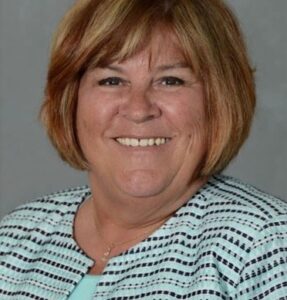 Janet Coulter, MSN, MS, RN, CCM, FCM, is the president of the Case Management Society of America (CMSA). She is a board-certified transplant case manager with extensive experience including nursing education, administration, team leadership, and case management.
She holds a Master of Science in Nursing from West Virginia University and a Master of Science in Adult Education from Marshall University. Her contributions to the field have been recognized with the CMSA National Award of Service Excellence and the Southern Ohio Valley CMSA Case Management Leadership Award. In 2022, she was honored as a Fellow of Case Management (FCM). An active and dedicated member of CMSA at both the national and local levels, Janet continues to serve the Southern Ohio Valley Chapter. She has been a frequent presenter at CMSA Annual Conferences, delivering concurrent sessions and poster presentations on key topics in case management.