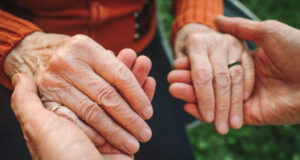

Loneliness and Social Isolation in Older Adults
BY ELAINE BRUNER, MSN, RN, CMGT-BC, FCM, AND MICHELLE BRUSIO, MSN, RN, CCM
Introduction
Did you know that 37% of older adults report feeling lonely and 34% report experiencing social isolation (Gerlach et al., 2024)? Loneliness and social isolation are more prevalent among individuals who have lost loved ones, live alone, have chronic medical conditions, or experience age-related changes that affect their day-to-day lives. Loneliness and social isolation can also have significant effects on health and are associated with increased morbidity and mortality (Hoang et al., 2022). Given these concerns, what can case managers do to help older adults stay connected, maintain their independence, and improve their quality of life?
Social isolation refers to limited social connections or interactions with family, friends, social settings, and the broader community. Loneliness, however, is the subjective feeling of being alone or lacking meaningful relationships. An individual can be socially isolated without feeling lonely, while another person may feel lonely despite having frequent social interactions. Understanding this distinction is important when assessing an older adult’s social and emotional well-being.
Several factors can contribute to loneliness and social isolation, including changes in family relationships, limited time with loved ones, technology use, mental health concerns, relationship difficulties, living alone, and reduced involvement in religious, spiritual, or community activities (World Health Organization, 2025). For some older adults, technology can help maintain relationships, while for others, it may replace or limit opportunities for meaningful face-to-face interaction.
As we age, our social circles may become smaller. Spouses or partners and friends may pass away, children may have careers and families of their own, and physical or financial limitations may make it more difficult to participate in community activities. Transportation challenges, mobility limitations, hearing or vision loss, and health changes can create additional barriers to social connection.
Physical Impairments, Accessibility, and Social Isolation
Physical impairments and disabilities can contribute significantly to social isolation and loneliness among older adults. Hearing and vision loss, mobility challenges, and the use of assistive devices such as walkers, canes, and scooters can make it harder to participate in social activities. These challenges can affect an individual’s confidence, independence, and willingness to leave home or engage with others.
Transportation can be another significant barrier. Some older adults may have limited access to reliable transportation, while others may find that available options do not accommodate their mobility needs. Getting on and off a bus, maneuvering a walker or scooter, or navigating steps and uneven surfaces can require additional assistance. When transportation is difficult or inaccessible, older adults may begin to avoid medical appointments, community activities, shopping, religious services, or visits with family and friends.
Limited endurance can create additional barriers. Older adults who are tired easily may avoid activities because they worry about keeping up or needing help. Fear of falling may also cause them to limit activity and stay home. Over time, reduced activity and greater isolation can lead to further loss of strength, decreased independence, and additional health concerns.
Impact on Health
Loneliness and social isolation can significantly affect an older adult’s physical, cognitive, and emotional health. When individuals lack meaningful social connections, they may be less likely to engage in healthy behaviors, attend medical appointments, follow treatment recommendations, or maintain an active lifestyle. Social isolation can also make it harder for older adults to recognize changes in their health or seek help when needed.
Chronic health conditions, including congestive heart failure (CHF) and chronic obstructive pulmonary disease (COPD), may further increase the risk of poor outcomes. Frequent symptoms, reduced mobility, fatigue, and the demands of managing a chronic condition can contribute to withdrawal from social activities, creating a cycle in which declining health leads to greater isolation and isolation contributes to the following (Garcia & Jordan (2022):
Potential Health Impacts of Loneliness and Social Isolation
- Obesity and weight changes
- Hypertension
- Cognitive decline
- Dementia
- Substance misuse
- Stroke
- Poor diet and food insecurity
- Non-adherence to medications and treatment plans
- Lack of physical activity
- Depression and anxiety
- Increased risk of hospitalization
- Reduced overall quality of life
Who’s at Risk
A thorough case management assessment includes asking about an individual’s support network, relationships, daily routines, and opportunities for social engagement. Older adults who are “tech-savvy” may visit with family and friends through virtual platforms. Some may only speak with another person when their home-delivered meals arrive, while others may play pickleball, lead a gardening group, or participate in two book clubs. These differences highlight why social isolation cannot be determined simply by whether an older adult lives alone.
Case managers should ask what activities the older adult currently enjoys and whether they are willing to try new ones. Questions about hobbies, physical activity, relationships, transportation, technology use, and community involvement can provide valuable insight into an individual’s level of social engagement and potential barriers to connection.
Standardized screening tools can also help case managers identify loneliness and social isolation that may not be readily apparent during a conversation. For example, the UCLA Loneliness Scale can be considered as part of a broader assessment of an older adult’s social and emotional well-being assessing the general or overall feeling of loneliness (Lee et al., 2023). Using a screening tool alongside professional judgment and the individual’s own experiences can provide a more complete picture of their needs.
Most importantly, case managers should identify what matters to each older adult. Understanding their preferences, values, relationships, interests, and goals is essential to developing an appropriate, person-centered care plan. The goal is not simply to increase the number of social activities an individual participates in, but to help create meaningful connections that support their sense of belonging, purpose, autonomy, and quality of life.
Understanding Loneliness and Social Isolation
The feelings of belonging and being valued by others are important and can validate one’s sense of autonomy (World Health Organization, 2025). Loneliness can have a stronger impact on individuals who experience hostility or have strained or hostile relationships and feel they have nowhere to turn. These circumstances can also make it challenging to discuss feelings of loneliness and social isolation (World Health Organization, 2025). Diagnosed or undiagnosed behavioral health concerns should also be discussed and addressed appropriately.
Case managers should listen carefully to each person’s lived experiences. Older adults who are part of the LGBTQIA+ community, trauma survivors, and those who served in the military, for example, may have many layers to peel back to fully understand their experiences with loneliness and social isolation. Social support may protect older adults from suicide and depression, conditions that can contribute to social isolation and loneliness. Loneliness and social isolation are deeply personal and often shaped by an individual’s unique lived experiences.
Addressing loneliness and social isolation is not easy. Encouraging older adults to improve their social and communication skills, strengthening their social support systems, and increasing access to social activities can help. This may include group therapy, local resources and community groups, mindfulness activities, and pet therapy in long-term care facilities.
Although some older adults have limited mobility or transportation, they can often find opportunities for social connection in everyday settings. Seniors may gather at restaurants for coffee or breakfast, fish at a local pier, talk with one another, or simply enjoy each other’s company. Groups from various organizations may gather to play cards, attend meetings, or participate in other activities. Older adults also volunteer at hospital blood drives and other community events.
Sharing meals can be another meaningful way to engage older adults. Food insecurity may be a barrier to social engagement, making meal-based programs an opportunity to address both nutritional needs and social connection. Community meal programs, senior centers, congregate dining programs, and faith-based organizations can offer older adults nutritious meals while they interact with others in a welcoming environment. For some individuals, the meal itself may be less important than having someone to sit with, talk to, and share an experience with.
Finally, we may need to be creative in how we address loneliness and social isolation. Our team at UM UCH has a volunteer named Steve. Steve has extensive medical knowledge and experience. Each week, he receives a list from my team and calls patients who are lonely and/or socially isolated. He checks in on how our patients are doing, and they develop strong relationships with him and even look forward to his calls. We ensure that Steve calls from the same number each week, so patients know it is him. He then reports any concerns or safety issues to our Community Health Worker team lead. He continues calling our patients until they say they no longer need him and have everything they need. We appreciate Steve’s time and care for our patients.
The Case Manager Takeaway
Loneliness is a critical public health concern for older adults. Case managers and their organizations should identify ways to bring older adults together and help them build meaningful social connections (Hoang et al., 2023).
Interventions should focus on strengthening social connection, purpose, and engagement (U.S. Department of Health and Human Services, 2023). Possibilities include:
- Engaging in meaningful activities that promote connection and a sense of purpose, like volunteering or community service.
- Leveraging technology to help older adults stay connected with family, friends, and their communities.
- Encouraging community involvement through volunteer opportunities, social groups, faith-based organizations, or community programs.
- Providing professional support when loneliness, isolation, or other barriers interfere with well-being.
- Exploring supportive living arrangements that promote social interaction, safety, independence, and quality of life.
- Be open with your healthcare provider; let them know how you are feeling. Be empowered to have a conversation.
Our older adults deserve a meaningful aging journey—one filled with connection, purpose, dignity, and optimal function. As case managers, we have an important opportunity to help make that journey possible. After all, “there is no health without social health” (World Health Organization, 2025).
References
Garcia, E., & Jordan, R. (2022). Navigating social isolation and loneliness as an older adult. National Council on Aging. https://www.ncoa.org/article/navigating-social-isolation-and-loneliness-as-an-older-adult/
Gerlach LB, Solway ES, Malani PN. Social Isolation and Loneliness in Older Adults. JAMA. 2024 Jun 18;331(23):2058. doi: 10.1001/jama.2024.3456. PMID: 38780951.
Hoang, P., King, J. A., Moore, S., Moore, K., Reich, K., Sidhu, H., Tan, C. V., Whaley, C., & McMillan, J. (2022). Interventions associated with reduced loneliness and social isolation in older adults: A systematic review and meta-analysis. JAMA Network Open, 5(10), e2236676. https://doi.org/10.1001/jamanetworkopen.2022.36676
Lee, C., Park, Y.-H., & Cho, B. (2023). Use of exploratory graph analysis in inspecting the dimensionality of the Revised University of California Los Angeles (R-UCLA) Loneliness Scale among older adults. Research in Gerontological Nursing, 16(1), 15–20. https://doi.org/10.3928/19404921-20230104-03
U.S. Department of Health and Human Services. (2023). Our epidemic of loneliness and isolation: The U.S. Surgeon General’s advisory on the healing effects of social connection and community. Office of the Surgeon General. https://www.hhs.gov/sites/default/files/surgeon-general-social-connection-advisory.pdf
World Health Organization. (2025). From loneliness to social connection: Charting a path to healthier societies. WHO. https://www.who.int/publications/i/item/978240112360
 Elaine Bruner, MSN, RN, CMGT-BC, FCM, is an experienced nurse, case manager, and educator. Elaine was awarded the CMSA Award of Service Excellence in 2008. She embraces her educator role, authoring manuscripts, offering national and regional continuing education presentations, and coaching case managers to certification success. She is on the editorial board of CMSA Today. and Co-Chair with the CMSA Military/Veteran/DoD Planning Committee. In 2025, Elaine joined the CMSA Board of Directors and was honored to be inducted as a CMSA Fellow in Case Management.
 Michelle Brusio, MSN, RN, CCM, has been an RN for 28 years and in case management for 22 years. She is currently the clinical manager for population health, care transformation organization, and primary care at University of Maryland Upper Chesapeake Health. Michelle has experience in acute care, payer, primary care, and outpatient case management, as well as value-based programs. Michelle serves on several local boards in Harford County, Maryland. Michelle also serves on several CMSA national committees including the editorial board of CMSA Today, the Membership and DEIB Core Committees. On a personal note, Michelle is a fierce allergy mom and advocate. Michelle is also a current DNP student.
Image credit: ISTOCK.COM/SASIRIN PAMAI