
Beyond the Magic: What Walt Disney’s Story Teaches Us About Lung Cancer and the Essential Role of Case Managers
BY JANET COULTER, MSN, MS, RN, CCM, FCM
Few individuals have inspired generations quite like Walt Disney. Walt Disney gave the world unforgettable stories, timeless characters, and a place where dreams come true. His imagination transformed entertainment and inspired generations to believe that anything was possible. Yet behind the magic was a very human story, one that reminds us of the importance of prevention, early detection, coordinated care, and compassionate support.
In November 1966, Disney was diagnosed with lung cancer after physicians discovered a tumor in his left lung. Despite surgery, the disease progressed rapidly, and he died only weeks later at the age of 65. His illness occurred during a time when cigarette smoking was socially accepted, treatment options were limited, and lung cancer was often diagnosed only after symptoms appeared and the disease had advanced.
Today, nearly 60 years later, healthcare has changed dramatically. One of the most significant advances since Walt Disney’s lifetime is lung cancer screening. Evidence-based smoking cessation programs and low-dose computed tomography (LDCT) screening now offer opportunities to prevent disease and detect lung cancer at earlier, more treatable stages. Earlier diagnosis often leads to more treatment options and significantly improved survival. In addition, advances in imaging, molecular diagnostics, targeted therapies, immunotherapy, minimally invasive surgery, and precision medicine have transformed lung cancer treatment. Yet despite these remarkable advances, lung cancer remains the leading cause of cancer-related death in the United States ( American Cancer Society. (2026). Cancer Facts & Figures 2026).
A lung cancer diagnosis extends far beyond a single abnormal imaging study or pathology report. Patients frequently find themselves navigating an overwhelming maze of specialists, diagnostic procedures, treatment decisions, insurance requirements, financial/employment concerns, emotional distress, caregiver responsibilities, unfamiliar medical terminology, and uncertainty about the future. Within days, a patient may encounter a primary care provider, pulmonologist, thoracic surgeon, medical oncologist, radiation oncologist, oncology nurse navigator, social worker, pharmacist, respiratory therapist, behavioral health professional, rehabilitation specialist, and palliative care team. The sheer number of appointments, diagnostic tests, treatment decisions, and emotional challenges can quickly become overwhelming. This is where professional case managers make an extraordinary difference. Without coordination, healthcare can quickly become fragmented. Professional case managers serve as the thread that connects every member of the healthcare team while ensuring that the patient remains at the center of every decision.
One of the most valuable contributions professional case managers make often occurs before cancer is ever diagnosed. Smoking remains the leading preventable risk factor for lung cancer. Yet tobacco dependence is now recognized as a chronic, relapsing medical condition, not simply a lifestyle choice. Professional case managers are uniquely positioned to identify tobacco use, educate patients regarding health risks, assess readiness for change, connect patients with evidence-based smoking cessation resources, and provide ongoing encouragement throughout multiple quit attempts. Many patients want to quit smoking but struggle with nicotine addiction, financial limitations, stress, or limited access to cessation programs. Successful smoking cessation rarely occurs after a single conversation. It requires education, behavioral support, medication management, follow-up, and compassion. Every successful cessation attempt represents an opportunity to reduce future disease burden while improving overall health.
Summary
Walt Disney believed that progress begins with curiosity, courage, and the willingness to move forward. Nearly 60 years after his death from lung cancer, those words have taken on new meaning. Advances in prevention, screening, precision medicine, and coordinated care have transformed the outlook for many patients. Walt Disney transformed imagination into reality. His story also reminds us that behind every diagnosis is a person whose life, dreams, and relationships extend far beyond the disease itself. His story also reminds us that diseases such as lung cancer often develop quietly, making prevention, early detection, and coordinated care more important than ever. Early detection requires more than technology. It requires coordination. Although medicine has advanced dramatically since 1966, one principle remains unchanged. Patients need someone to help them navigate an increasingly complex healthcare system. Professional case managers provide that guidance. Like the stories Walt Disney created, our work as professional case managers is a reminder that hope is often built one caring conversation, one coordinated transition, and one patient at a time. Professional case managers recognize that successful outcomes require addressing the whole person not just the diagnosis. Sometimes the greatest intervention is simply taking the time to answer questions, ease fears, and remind patients that they are not facing cancer alone.
“You can design and create and build the most wonderful place in the world. But it takes people to make the dream a reality.” Walt Disney
A lung cancer diagnosis changes everything.
Early Detection Saves Lives.
References
American Cancer Society. (2026). Cancer Facts & Figures 2026
OncoDaily. (2026). Walt Disney and Lung Cancer: The Final Illness Behind the Magic. Top of Form
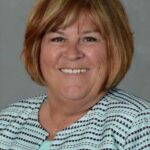 Janet Coulter, MSN, MS, RN, CCM, FCM, is the immediate past president of the Case Management Society of America (CMSA). She is a board-certified transplant case manager with extensive experience including nursing education, administration, team leadership, and case management.
She holds a Master of Science in Nursing from West Virginia University and a Master of Science in Adult Education from Marshall University. Her contributions to the field have been recognized with the CMSA National Award of Service Excellence and the Southern Ohio Valley CMSA Case Management Leadership Award. In 2022, she was honored as a Fellow of Case Management (FCM). An active and dedicated member of CMSA at both the national and local levels, Janet continues to serve the Southern Ohio Valley Chapter. She has been a frequent presenter at CMSA Annual Conferences, delivering concurrent sessions and poster presentations on key topics in case management.
Image credit: ISTOCK.COM/UTAH778